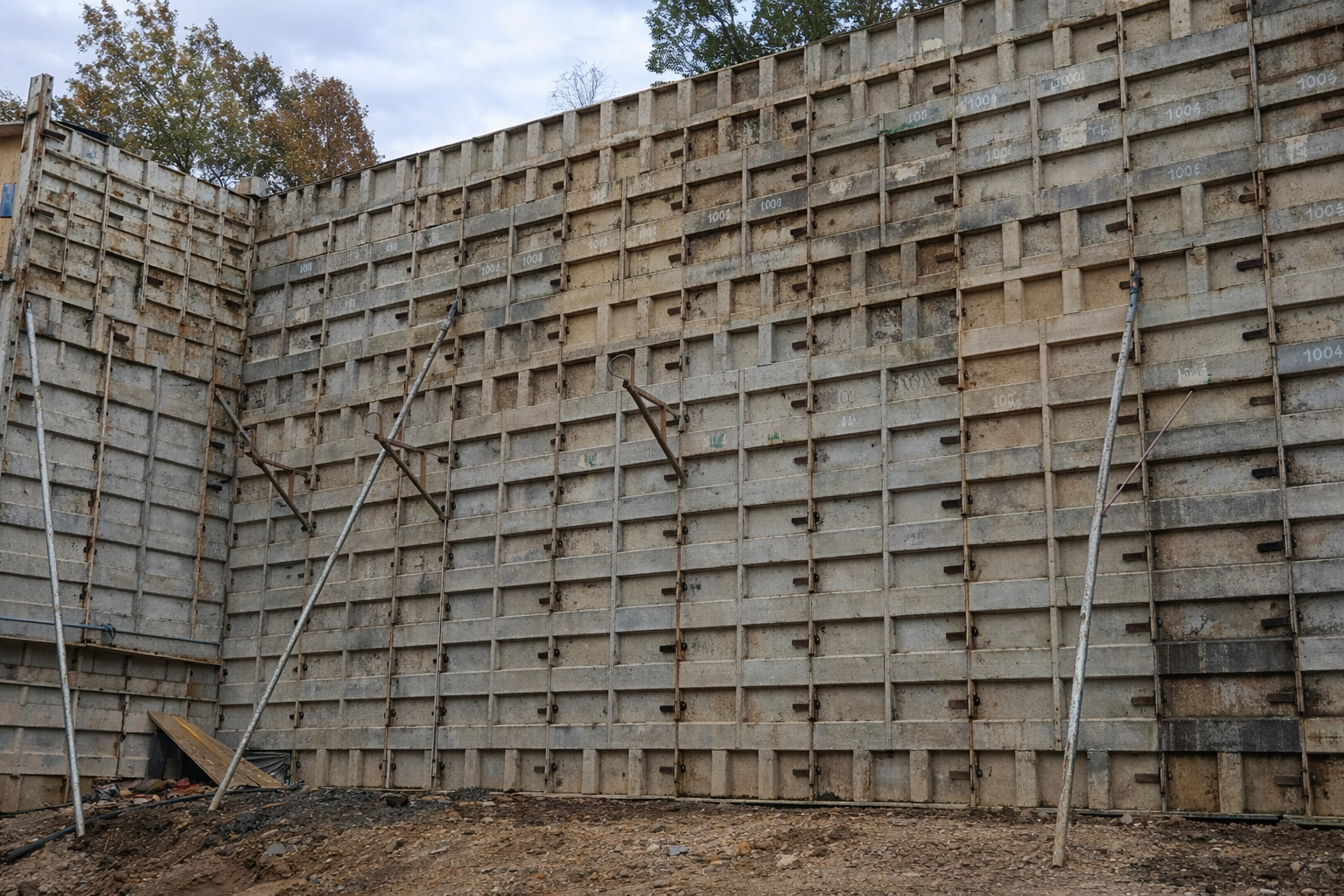
The Advantages of Aluminum Formed Walls in Sustainable Building Mar 07, 2026
To start, aluminum is recognized for its remarkable durability and strength. Despite its lightweight nature, it provides an exceptional load-bearing capacity that rivals more traditional materials such as wood or steel. This inherent strength means aluminum formed walls can withstand significant environmental stressors, ensuring the structural integrity of buildings for decades. The extended lifecycle of these materials reduces the frequency and necessity of replacements, subsequently minimizing waste and conserving resources.
Moreover, aluminum is highly resistant to corrosion, a crucial attribute that further extends the lifespan of structures. This resistance eliminates the need for additional chemical treatments that other materials may require to prevent decay, thereby reducing the ecological footprint associated with maintenance.
One of the most compelling benefits of aluminum formed walls is their abundance of recyclable properties. Aluminum can be recycled indefinitely without losing its original properties, which is a critical feature in sustainable building practices. When a structure reaches the end of its life, the aluminum can be reused, rather than having to extract and process new materials. This cycle not only conserves raw materials but also reduces the energy consumption typically associated with new production processes.
The construction process itself also gains efficiency and sustainability through the use of aluminum formed walls. Precision Foundation's aluminum forming systems are designed for quick assembly and disassembly, which speeds up the building process and leads to shorter construction timelines. This efficiency not only lowers labor costs but also reduces the environmental footprint associated with prolonged construction activities, such as energy consumption and site disruption.
In energy efficiency terms, aluminum formed walls offer excellent insulation properties. They help to regulate internal building temperatures by reflecting infrared radiation, which is particularly beneficial in both hot and cold climates. This reflective capability means less reliance on heating and cooling systems, leading to significant energy savings and a reduction in the building's carbon emissions.
Beyond the structural and environmental benefits, aluminum formed walls lend themselves to creative and flexible design. Precision Foundation offers a range of customizable options that allow architects to bring their avant-garde visions to fruition—whether it's creating sleek modern facades or intricate geometric patterns, aluminum’s adaptability is unparalleled.
In conclusion, the advantages of aluminum formed walls extend beyond mere construction. They represent a step forward in sustainable building practices, offering durability, recyclability, efficient construction, and thermal regulation. Clients of Precision Foundation can expect not only superior performance but also a commitment to reducing environmental impact, aligning with the broader goals of sustainable development.
Aluminum formed walls are more than just a structural component; they are part of a holistic approach to creating buildings that stand the test of time while respecting our planet. Embracing such forward-thinking materials today sets a foundation for a more sustainable built environment tomorrow.
/filters:no_upscale()/filters:format(webp)/media/f639b1e1-99ce-47ef-8e7a-5e6dfe068a9f.jpeg)