Blog
From Concept to Completion: The Role of Aluminum Forms in Streamlined Building
Starting with the initial concept phase, aluminum forms offer a unique advantage. Their lightweight yet sturdy nature makes them easy to handle and transport, reducing labor costs and minimizing setup times. This translates to a quicker project start, allowing contractors to swiftly transition from the planning phase to breaking ground. Furthermore, their resilience ensures consistency in form and function, crucial for laying down the foundational work of a building.
Once the project moves beyond planning, the importance of precision becomes paramount. Aluminum forms excel in this aspect due to their ability to maintain shape and alignment under pressure. Unlike traditional wooden forms that are susceptible to warping and weathering, aluminum forms provide a reliable solution that ensures the integrity of structural elements, such as walls and columns, from day one. This precision is vital for structures that require exact specifications, contributing to the overall quality and safety of the build.
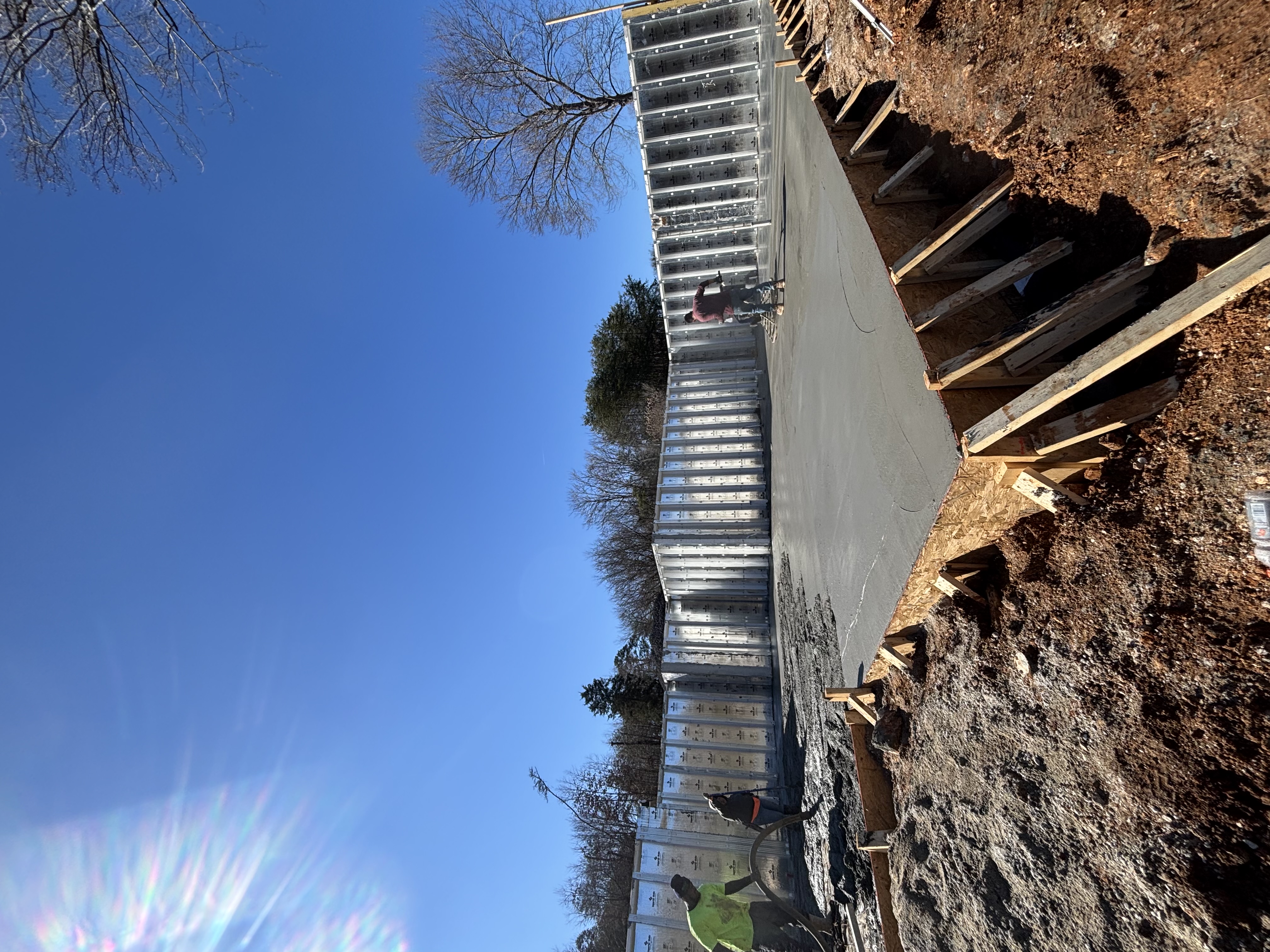
As construction progresses, one cannot overlook the role that sustainability plays in today's building industry. Aluminum formed walls from 865 Foundations emphasize environmental responsibility. Aluminum is a material known for its recyclability, which positions it as a superior choice for ecologically conscious builders. By opting for aluminum forms, builders not only reduce waste by limiting the use of throwaway materials but also support a circular economy where resources are continually repurposed.
When nearing the completion phase, the ease of dismantling aluminum forms becomes a significant advantage. Their reusability means they can be quickly extracted from a site with minimal disruption, enabling subsequent stages of construction to commence without delay. This efficiency reduces downtime and accelerates the overall timeline of the project, an essential factor for clients keen on expedited project delivery.
Moreover, the financial benefits associated with aluminum formed walls cannot be understated. While the initial investment may be higher compared to other materials, the durability and multiple reuse potential of aluminum forms result in long-term savings. Reduced maintenance costs and improved efficiency contribute to a lower overall expenditure, making them an economically wise choice for contractors aiming to maximize their budget without compromising on quality.
Finally, at completion, structures that have been built with aluminum forms boast enhanced durability. This lasting quality not only extends the lifespan of the buildings but also ensures that they remain safe and functional for years to come, reducing future renovation costs.
In conclusion, from concept to completion, the role of aluminum forms in streamlined building is undeniable. Companies like 865 Foundations highlight the adaptability, efficiency, and sustainability these forms offer. Whether it's the reduction in project timelines, the increase in structural precision, or the promotion of eco-friendly practices, the advantages are substantial. Embracing aluminum formed walls means embracing a future of construction that is as efficient as it is enduring, meeting the demands of the modern building industry.