Blog
Metal Marvels: The Impact of Aluminum Formed Walls on Modern Architecture
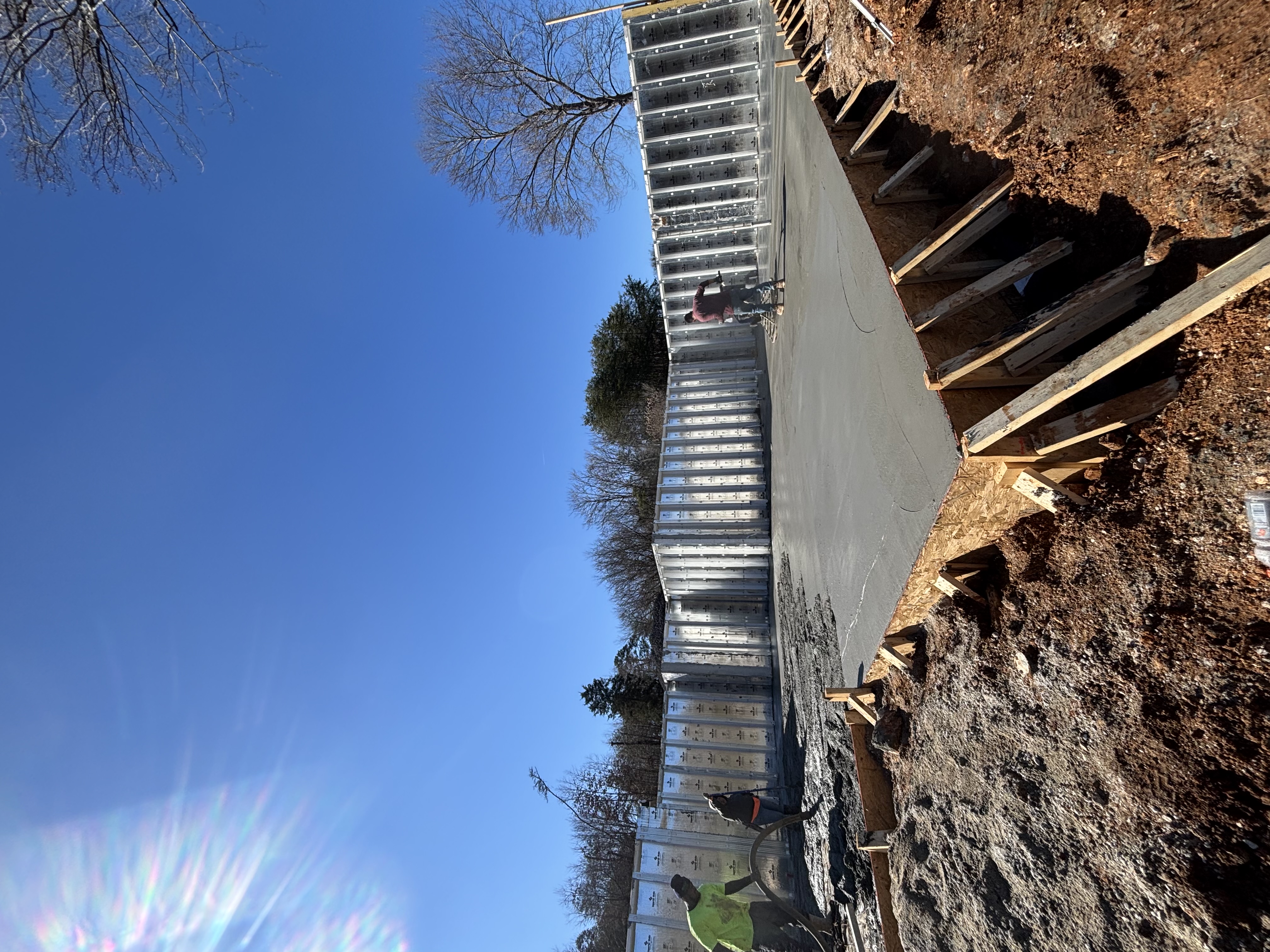
At the heart of modern architecture is the desire for sustainable and innovative materials. Aluminum formed walls fit seamlessly into this vision. They offer a perfect balance between strength and lightweight properties, making them ideal for structures that require both resilience and flexibility. The adaptability of aluminum allows for intricate designs and large spans, which are often the hallmarks of modern architecture.
One of the standout benefits of aluminum formed walls is their longevity. They boast a high resistance to environmental elements, which means they don’t easily succumb to the corrosion and wear that can affect other materials. This durability translates to fewer maintenance demands over time, making it a cost-effective solution for both residential and commercial buildings. In addition, the lightweight nature of aluminum can reduce structural load, leading to potential savings in foundation and structural support costs.
Another key factor that makes aluminum formed walls a sought-after choice in modern architecture is their energy efficiency. Aluminum plays a crucial role in sustainability, as it reflects heat and light, contributing to energy conservation and reduced cooling costs. It's not only an environmentally-friendly material due to its recyclability but also aligns with the green building initiatives increasingly prioritized by architects and builders today.
For architects seeking creative freedom, aluminum formed walls offer unparalleled design flexibility. The material can be molded into unique shapes and sizes, meeting the demands of cutting-edge design without sacrificing structural integrity. Whether it’s a bold façade for an office building or a sleek, modern finish for a high-rise residential project, aluminum formed walls can be tailored to meet diverse architectural demands.
An often overlooked but essential advantage of using aluminum formed walls is their ease of installation. The prefabricated nature of these walls means that construction timelines can be significantly reduced, which is a major consideration in modern architecture where time efficiency is crucial. This ease of installation not only speeds up the building process but also means fewer labor hours, reducing overall project costs.
As the future of the construction industry leans heavily into sustainable and efficient building practices, aluminum formed walls from 865 Foundations are set to become even more pivotal to achieving these evolving standards. Their combination of durability, aesthetics, and environmental benefits positions them as a cornerstone in the future of architectural design.
In conclusion, the impact of aluminum formed walls on modern architecture is nothing short of transformative. For those looking to build sustainably without compromising on style and functionality, these walls present an invaluable solution. At 865 Foundations, we are committed to pioneering the use of aluminum in construction, helping architects and builders create structures that stand the test of time while meeting the demands of innovation and sustainability.